Insights
Apr 30, 2025
Challenges in Last-Mile Delivery and Solutions
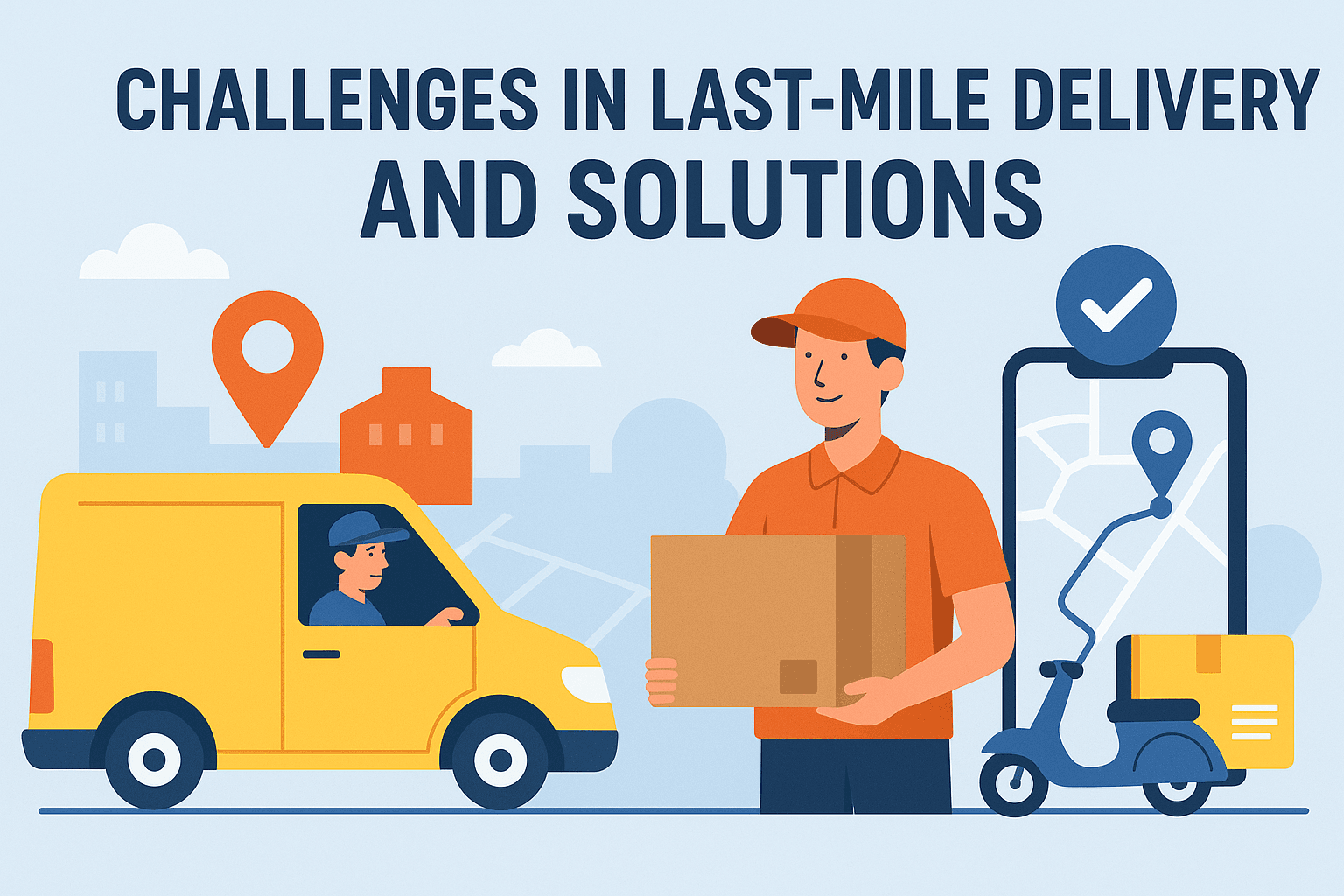
Last-mile delivery— the final step of moving a product from a distribution hub to the customer’s doorstep— has become one of the most critical and challenging stages of modern logistics. As e-commerce continues to expand at a rapid pace, businesses face increasing pressure to deliver faster, more efficiently, and at lower costs. However, the last mile is often the most expensive and complex part of the supply chain, accounting for nearly 50% of total delivery costs. Understanding the challenges and implementing smart solutions is essential for companies aiming to stay competitive in today’s highly demanding market.
Key Challenges in Last-Mile Delivery
1. High Operational Costs
The high variability of delivery routes, fuel expenses, labor costs, and vehicle maintenance significantly increase last-mile delivery expenses. Unlike bulk shipments, last-mile deliveries involve many small packages going to multiple locations, making the process inefficient without proper planning.
2. Traffic Congestion and Urban Limitations
In dense urban areas, traffic congestion often causes delivery delays and increases fuel usage. Limited parking spaces, restricted access zones, and narrow streets add further complexity for delivery drivers. These factors directly affect delivery time and customer satisfaction.
3. Failed Deliveries and Address Issues
Incorrect addresses, unavailable recipients, and difficulties in locating homes or apartments lead to failed deliveries. Every failed attempt increases costs and creates operational inefficiencies. In areas with poor mapping, the problem becomes even more significant.
4. Rising Customer Expectations
Customers today expect fast, real-time, and flexible delivery options— such as same-day or next-day delivery. Meeting these expectations without compromising profitability is one of the biggest challenges for logistics companies.
5. Managing Bulk Orders During Peak Seasons
Events like holidays, festivals, and big sale days often cause a huge spike in delivery volumes. Without proper forecasting and resource planning, businesses struggle to meet deadlines, leading to customer dissatisfaction and operational bottlenecks.
Effective Solutions to Improve Last-Mile Delivery
1. Route Optimization Technologies
Using AI-powered route optimization tools can greatly enhance efficiency. These systems analyze traffic patterns, road conditions, and delivery priorities to create the most efficient routes. This reduces travel time, fuel usage, and operational costs.
2. Real-Time Tracking and Visibility
Real-time GPS tracking provides customers with live updates on their delivery status. For businesses, tracking allows monitoring of driver performance, identifying delays, and improving overall fleet management.
3. Smart Delivery Lockers
Installing smart lockers in residential and commercial areas helps reduce failed deliveries. Customers can pick up orders at their convenience, reducing pressure on delivery drivers and improving customer satisfaction.
4. Crowdsourced Delivery Models
Businesses can leverage gig-economy workers for flexible and scalable delivery solutions. Crowdsourced delivery helps meet peak demand without long-term labor commitments.
5. Electric Vehicles and Micro-Mobility Options
Using e-bikes, electric vans, and scooters can lower fuel costs, reduce carbon footprint, and improve maneuverability in congested cities. Many logistics companies are shifting to micro-mobility fleets for faster urban deliveries.
Conclusion
Last-mile delivery remains a complex yet crucial part of the supply chain. By adopting advanced technologies, improving real-time visibility, and embracing innovative delivery models, businesses can overcome the challenges and deliver a seamless customer experience. Companies that invest in scalable, efficient last-mile solutions will be better positioned to meet rising customer expectations and stay ahead in the competitive logistics landscape.
More to Discover
Insights
Apr 30, 2025
Challenges in Last-Mile Delivery and Solutions
Last-mile delivery— the final step of moving a product from a distribution hub to the customer’s doorstep— has become one of the most critical and challenging stages of modern logistics. As e-commerce continues to expand at a rapid pace, businesses face increasing pressure to deliver faster, more efficiently, and at lower costs. However, the last mile is often the most expensive and complex part of the supply chain, accounting for nearly 50% of total delivery costs. Understanding the challenges and implementing smart solutions is essential for companies aiming to stay competitive in today’s highly demanding market.
Key Challenges in Last-Mile Delivery
1. High Operational Costs
The high variability of delivery routes, fuel expenses, labor costs, and vehicle maintenance significantly increase last-mile delivery expenses. Unlike bulk shipments, last-mile deliveries involve many small packages going to multiple locations, making the process inefficient without proper planning.
2. Traffic Congestion and Urban Limitations
In dense urban areas, traffic congestion often causes delivery delays and increases fuel usage. Limited parking spaces, restricted access zones, and narrow streets add further complexity for delivery drivers. These factors directly affect delivery time and customer satisfaction.
3. Failed Deliveries and Address Issues
Incorrect addresses, unavailable recipients, and difficulties in locating homes or apartments lead to failed deliveries. Every failed attempt increases costs and creates operational inefficiencies. In areas with poor mapping, the problem becomes even more significant.
4. Rising Customer Expectations
Customers today expect fast, real-time, and flexible delivery options— such as same-day or next-day delivery. Meeting these expectations without compromising profitability is one of the biggest challenges for logistics companies.
5. Managing Bulk Orders During Peak Seasons
Events like holidays, festivals, and big sale days often cause a huge spike in delivery volumes. Without proper forecasting and resource planning, businesses struggle to meet deadlines, leading to customer dissatisfaction and operational bottlenecks.
Effective Solutions to Improve Last-Mile Delivery
1. Route Optimization Technologies
Using AI-powered route optimization tools can greatly enhance efficiency. These systems analyze traffic patterns, road conditions, and delivery priorities to create the most efficient routes. This reduces travel time, fuel usage, and operational costs.
2. Real-Time Tracking and Visibility
Real-time GPS tracking provides customers with live updates on their delivery status. For businesses, tracking allows monitoring of driver performance, identifying delays, and improving overall fleet management.
3. Smart Delivery Lockers
Installing smart lockers in residential and commercial areas helps reduce failed deliveries. Customers can pick up orders at their convenience, reducing pressure on delivery drivers and improving customer satisfaction.
4. Crowdsourced Delivery Models
Businesses can leverage gig-economy workers for flexible and scalable delivery solutions. Crowdsourced delivery helps meet peak demand without long-term labor commitments.
5. Electric Vehicles and Micro-Mobility Options
Using e-bikes, electric vans, and scooters can lower fuel costs, reduce carbon footprint, and improve maneuverability in congested cities. Many logistics companies are shifting to micro-mobility fleets for faster urban deliveries.
Conclusion
Last-mile delivery remains a complex yet crucial part of the supply chain. By adopting advanced technologies, improving real-time visibility, and embracing innovative delivery models, businesses can overcome the challenges and deliver a seamless customer experience. Companies that invest in scalable, efficient last-mile solutions will be better positioned to meet rising customer expectations and stay ahead in the competitive logistics landscape.
More to Discover
Insights
Apr 30, 2025
Challenges in Last-Mile Delivery and Solutions
Last-mile delivery— the final step of moving a product from a distribution hub to the customer’s doorstep— has become one of the most critical and challenging stages of modern logistics. As e-commerce continues to expand at a rapid pace, businesses face increasing pressure to deliver faster, more efficiently, and at lower costs. However, the last mile is often the most expensive and complex part of the supply chain, accounting for nearly 50% of total delivery costs. Understanding the challenges and implementing smart solutions is essential for companies aiming to stay competitive in today’s highly demanding market.
Key Challenges in Last-Mile Delivery
1. High Operational Costs
The high variability of delivery routes, fuel expenses, labor costs, and vehicle maintenance significantly increase last-mile delivery expenses. Unlike bulk shipments, last-mile deliveries involve many small packages going to multiple locations, making the process inefficient without proper planning.
2. Traffic Congestion and Urban Limitations
In dense urban areas, traffic congestion often causes delivery delays and increases fuel usage. Limited parking spaces, restricted access zones, and narrow streets add further complexity for delivery drivers. These factors directly affect delivery time and customer satisfaction.
3. Failed Deliveries and Address Issues
Incorrect addresses, unavailable recipients, and difficulties in locating homes or apartments lead to failed deliveries. Every failed attempt increases costs and creates operational inefficiencies. In areas with poor mapping, the problem becomes even more significant.
4. Rising Customer Expectations
Customers today expect fast, real-time, and flexible delivery options— such as same-day or next-day delivery. Meeting these expectations without compromising profitability is one of the biggest challenges for logistics companies.
5. Managing Bulk Orders During Peak Seasons
Events like holidays, festivals, and big sale days often cause a huge spike in delivery volumes. Without proper forecasting and resource planning, businesses struggle to meet deadlines, leading to customer dissatisfaction and operational bottlenecks.
Effective Solutions to Improve Last-Mile Delivery
1. Route Optimization Technologies
Using AI-powered route optimization tools can greatly enhance efficiency. These systems analyze traffic patterns, road conditions, and delivery priorities to create the most efficient routes. This reduces travel time, fuel usage, and operational costs.
2. Real-Time Tracking and Visibility
Real-time GPS tracking provides customers with live updates on their delivery status. For businesses, tracking allows monitoring of driver performance, identifying delays, and improving overall fleet management.
3. Smart Delivery Lockers
Installing smart lockers in residential and commercial areas helps reduce failed deliveries. Customers can pick up orders at their convenience, reducing pressure on delivery drivers and improving customer satisfaction.
4. Crowdsourced Delivery Models
Businesses can leverage gig-economy workers for flexible and scalable delivery solutions. Crowdsourced delivery helps meet peak demand without long-term labor commitments.
5. Electric Vehicles and Micro-Mobility Options
Using e-bikes, electric vans, and scooters can lower fuel costs, reduce carbon footprint, and improve maneuverability in congested cities. Many logistics companies are shifting to micro-mobility fleets for faster urban deliveries.
Conclusion
Last-mile delivery remains a complex yet crucial part of the supply chain. By adopting advanced technologies, improving real-time visibility, and embracing innovative delivery models, businesses can overcome the challenges and deliver a seamless customer experience. Companies that invest in scalable, efficient last-mile solutions will be better positioned to meet rising customer expectations and stay ahead in the competitive logistics landscape.